The 'Worm' Story: Why Your New DON is Drowning (and How to Throw the Lifeline)
- don2dondevelopment
- 4 hours ago
- 6 min read
You hired someone sharp. They interviewed well. Their resume checked all the boxes. You sat them down on Day One, walked them through your expectations, and sent them off to "lead."
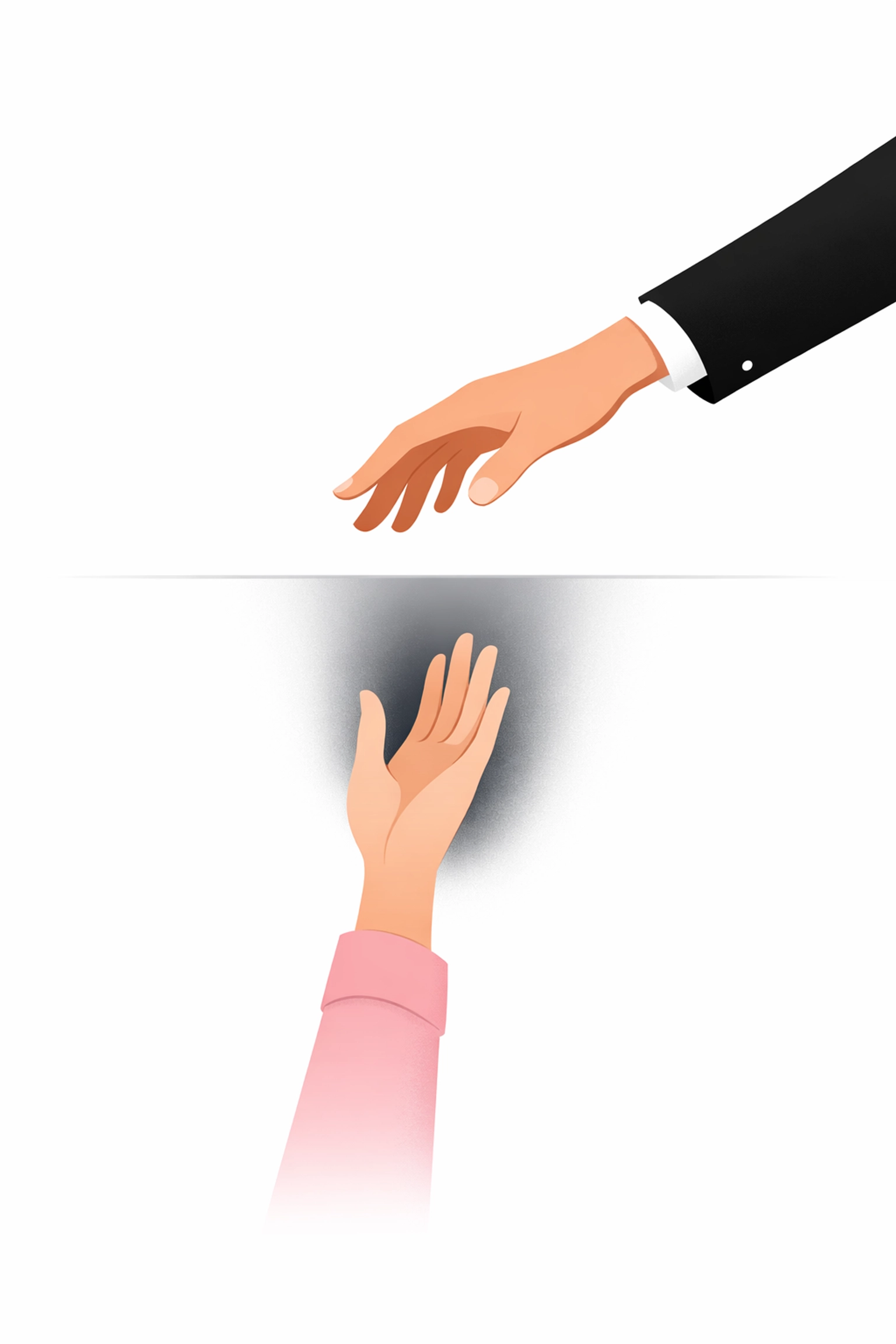
Three weeks later, they're drowning.
They're not showing up to leadership meetings prepared. They're still asking basic questions you thought were covered in orientation. The staff is confused. You're frustrated. And somewhere in the back of your mind, you're wondering if you made a hiring mistake.
But here's the truth: You didn't hire wrong. You just skipped a step.

The Regional Director Who Finally Got It
I had a Regional Clinical Director reach out to me a few months back. Let's call her Maria. She was struggling with a new DON at one of her facilities, a woman who had been a strong charge nurse but was now floundering in the Director of Nursing role.
Maria was running herself ragged trying to support this DON. She'd jump on calls, talk her through survey prep, explain how to handle a family complaint, walk her through staffing strategy. But nothing was sticking.
Then Maria said something that made me stop in my tracks:
"I just realized I've been teaching her how to fly-fish when she doesn't even know what a worm is."
That's it. That's the whole problem in one sentence.
What the "Worm" Actually Means
When someone steps into the director of nursing role for the first time, they're not just learning a new job. They're learning an entirely new way of thinking.
As a charge nurse, you manage a shift. As a DON, you manage a system.
As a charge nurse, you handle what's in front of you. As a DON, you have to anticipate what's three months out.
As a charge nurse, you follow the care plan. As a DON, you create the infrastructure that makes care plans work.
That shift doesn't happen automatically just because someone gets a new title.
And yet, we expect it to. We expect new DONs to walk in already thinking like executives. We hand them the "advanced" stuff, survey strategies, budget reviews, compliance deep-dives, and wonder why they can't keep up.
The Gap Between Expectations and Reality
Here's what most organizations do when they promote or hire a new DON:
Give them access to all the systems
Drop them into leadership meetings
Expect them to "figure it out" on the job
Get frustrated when they keep asking "basic" questions
Here's what new DONs actually need:
A clear breakdown of director of nursing responsibilities (not just tasks, but thinking)
Permission to not know everything on Day One
Someone who can translate executive expectations into actionable steps
Time to build the foundation before we pile on the advanced stuff
The gap isn't about competence. It's about readiness. And readiness isn't something you can rush.
What "Teaching Fly-Fishing" Looks Like in Real Life
Let's say your new DON is struggling with survey prep. You sit down with her and say:
"Okay, so when the surveyors come, they're going to look at your infection control protocols, your emergency preparedness binder, your QAPI program, and your dementia care approach. Make sure those are tight."
Sounds reasonable, right?
Except if your DON doesn't yet understand why surveyors focus on those areas, or how those systems connect to resident outcomes, or what "tight" actually looks like in practice, you just gave her a fishing rod without teaching her where the lake is.
She'll nod. She'll take notes. She'll try her best.
And three weeks later, she'll still be drowning.

What "Teaching the Worm" Looks Like Instead
Maria changed her approach after our conversation. Instead of jumping straight into survey strategy, she backed up.
She started with the basics:
"Let's talk about what a survey actually is. Not the process: the why. Why does the state care about infection control? What are they really measuring when they walk through your building?"
Then she moved to structure:
"Here's what your week should look like as a DON. Here's when you do rounding. Here's when you review incidents. Here's when you check in with department heads. We're building the rhythm first."
Then she focused on thinking:
"When you see a pressure ulcer, what's the first question you ask yourself? Not as a nurse: as a leader. What system failed? What pattern are you seeing? How do you prevent the next one?"
Only then did she start teaching survey prep, compliance strategy, and nursing home leadership best practices.
And guess what happened?
The DON stopped drowning. She started leading.
The Four "Worms" Every New DON Needs First
If you're supporting a new DON: or if you are a new DON trying to figure out why everything feels so hard: here are the four foundational pieces that have to be in place before anything else makes sense:
1. Role Clarity
Not just responsibilities. Identity. What does it mean to be a DON versus being a really good charge nurse? How does your decision-making change? What are you accountable for now that you weren't before?
2. Systems Thinking
Everything in a facility is connected. A staffing issue isn't just a staffing issue: it impacts care quality, family satisfaction, survey risk, and staff morale. New DONs need to learn how to see the whole system, not just the piece in front of them.
3. Leadership Rhythm
What does a strong DON's week actually look like? What are the non-negotiables? When do you do rounding? When do you review data? When do you coach your team? Structure creates confidence.
4. Decision-Making Framework
How do you prioritize when everything feels urgent? How do you know when to escalate and when to handle it yourself? What's the difference between a quick fix and a real solution? This is the thinking that separates good DONs from great ones.

How to Throw the Lifeline
If you're a regional leader, administrator, or corporate support person trying to help a struggling DON, here's what actually works:
Stop assuming they know the basics. Even if they've been a nurse for 20 years, the director of nursing responsibilities require a completely different skill set. Start from the ground up.
Break it down. Don't hand them a 40-page policy and say "implement this." Walk them through it. Explain the why. Show them what success looks like.
Give them a thinking partner. New DONs don't need a boss who checks in once a month. They need someone who can help them process decisions in real time while they're still building their leadership instincts.
Celebrate the small wins. Leading a facility is overwhelming. Acknowledge when they're making progress, even if it's not perfect yet.
If you're a new DON reading this and feeling like you're the one drowning, here's your lifeline:
You're not behind. You're learning. The fact that you don't have all the answers yet doesn't mean you're failing. It means you're honest about where you are.
Ask for the worm. Tell your regional or your admin: "I need help with the foundation. I need to understand the basics before I can execute the advanced stuff." Any good leader will respect that.
Give yourself time. You didn't become a confident nurse overnight. You won't become a confident DON overnight either. The skills will come. The instincts will come. You just have to stay in it long enough to build them.
The Real Leadership Gap
Here's what Maria told me after she changed her approach:
"I realized I was so focused on getting her to perform like a DON that I forgot to teach her how to think like one. Once I slowed down and built the foundation, everything else started clicking."
That's the gap most organizations miss. We promote people into nursing home leadership and expect them to lead like veterans from Day One. And when they struggle, we blame them for not being "ready."
But readiness isn't something you have or don't have. It's something you build. And you can't build the second floor before you pour the foundation.
So if you've got a new DON who's struggling, ask yourself: Am I teaching fly-fishing, or am I teaching the worm?
Because the worm matters. The worm is everything.

The DONs who make it aren't the ones who knew everything from the start. They're the ones who had someone willing to slow down and teach them what a worm was.
Comments