7 DON Onboarding Mistakes That Tank Your Survey (And How to Fix Them)
- don2dondevelopment
- Jan 30
- 5 min read
Let me paint you a picture you've probably seen before.
You just hired a sharp, credentialed Director of Nursing. Great interview. Solid references. You hand them the keys on a Monday, point them toward the nurse's station, and say, "Call me if you need anything."
Ninety days later, your survey comes back rough. The new DON is overwhelmed, your staff is confused, and you're wondering what went wrong.
Here's the truth: Your DON didn't fail. Your onboarding did.
I've watched this story play out in buildings across the country. Facilities invest thousands in recruiting a qualified nursing leader, then leave them stranded on day one with a binder, a badge, and a building full of problems they didn't create. When survey hits, everyone acts surprised.
It shouldn't be a surprise. Bad onboarding is a survey failure waiting to happen.
Let's break down the seven mistakes I see Administrators and Executive Directors make: and more importantly, how to fix them before your next state visit.
Mistake #1: No Preboarding = Day-One Chaos
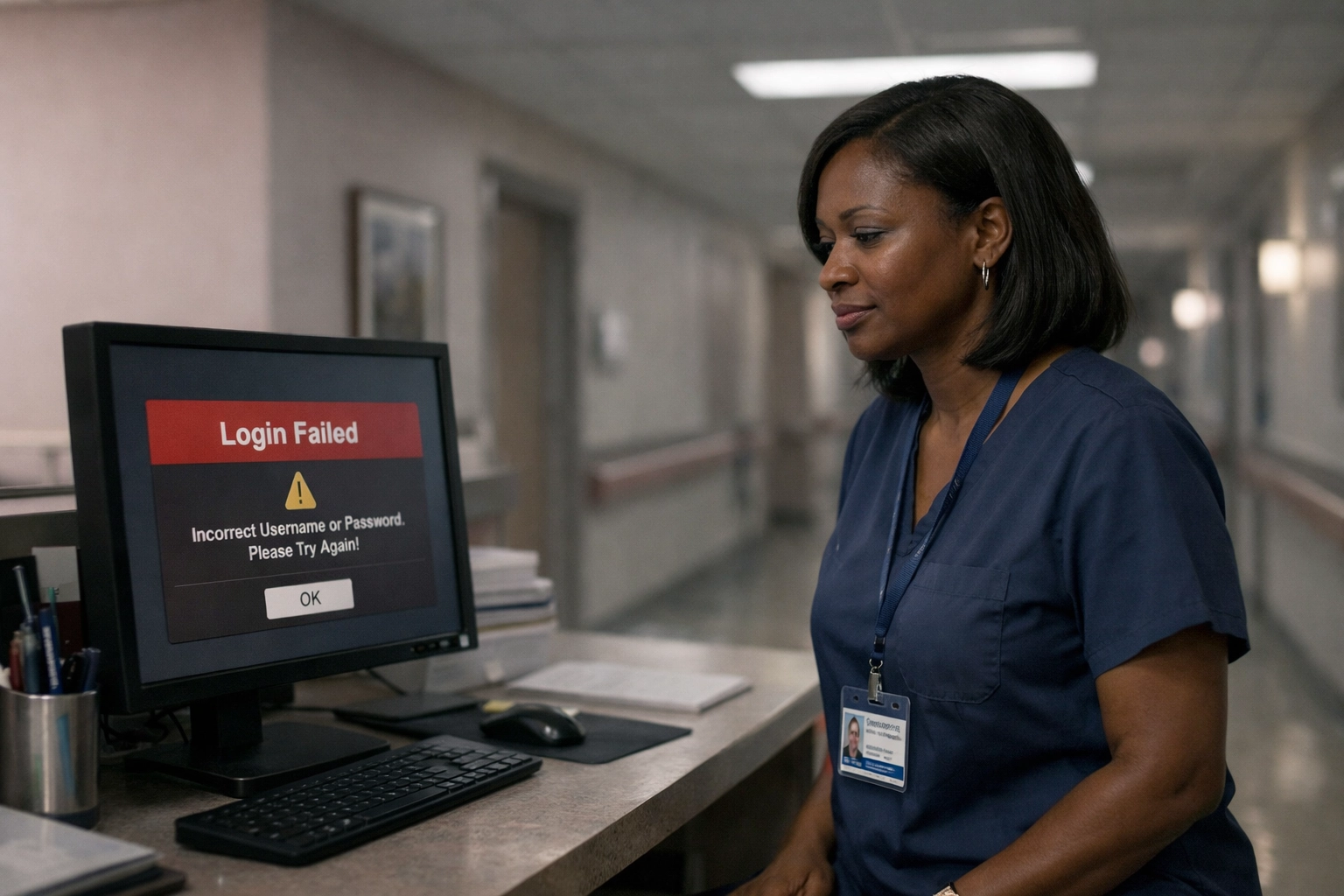
Your new DON shows up ready to lead. But their email isn't set up. They don't have system access. Nobody told the staff they were starting today.
Now your brand-new nursing leader is spending their first week chasing IT tickets instead of assessing the building. Meanwhile, the staff is side-eyeing them because nobody introduced them properly.
The survey connection: A DON who can't access your EHR, staffing system, or policy portal in week one is already behind on compliance. They're playing catch-up instead of catching problems.
The fix: Start onboarding before day one. Send a welcome packet. Get their credentials loaded. Introduce them to department heads via email. Let them walk in feeling like the building was expecting them: not like they're an afterthought.
Mistake #2: The "Information Dump" Orientation
You know the drill. Day one is eight hours of back-to-back presentations. Compliance. HR policies. Safety videos. By lunch, their eyes are glazed over. By 3 PM, they've retained maybe 10% of it.
This isn't onboarding. This is hazing.
The survey connection: When your DON can't remember where the emergency protocols live because you buried them in a six-hour PowerPoint marathon, that's a tag waiting to happen.
The fix: Spread it out. Prioritize what they actually need in week one versus what can wait until week three. Give them time to absorb, ask questions, and connect the dots. Onboarding is a process, not a single event.
Mistake #3: No Designated Point of Contact
Your new DON has a question about staffing ratios. Who do they call? HR? The Administrator? The previous DON who already left?
When there's no clear answer, most new leaders do one of two things: they guess (and sometimes guess wrong), or they stay quiet and hope they figure it out. Neither option ends well.
The survey connection: Surveyors don't care that your DON "didn't know who to ask." They care that the problem wasn't fixed. Confusion at the leadership level trickles down to the floor: and the floor is where surveys are won or lost.
The fix: Assign a point person. Better yet, assign two: one for operational questions and one for clinical guidance. Make sure your new DON knows exactly who to call when they hit a wall.

Mistake #4: Zero Clear Goals or Expectations
Here's what I hear from struggling DONs all the time: "I don't even know what success looks like here."
They were handed the keys but not the map. Nobody told them what the building's biggest risks are. Nobody outlined priorities for the first 30, 60, or 90 days. They're just… reacting. Putting out fires. Drowning.
The survey connection: A DON without clear goals can't prioritize. And a DON who can't prioritize will miss the compliance gaps that surveyors won't. That IJ didn't come out of nowhere: it came from a leader who didn't know where to look first.
The fix: Sit down before day one and outline the top three priorities for their first 90 days. Be specific. "Stabilize staffing on night shift." "Audit infection control compliance." "Build rapport with the MDS team." Give them a target so they're not shooting in the dark.
Mistake #5: Inconsistent Processes Across the Building
Your last DON did things one way. The ADON has her own system. The night shift supervisor has been "handling it" for six months. Now your new DON walks in and inherits three different versions of "how we do things here."
This isn't a leadership challenge. It's a trap.
The survey connection: Inconsistency is a surveyor's favorite word. When your skin and wound program looks different on every hall, that's a systemic deficiency. And your new DON is now responsible for a mess they didn't make.
The fix: Before your new DON starts, do an honest audit of your current processes. Identify the gaps. Be upfront about what's broken. A DON who knows where the landmines are can navigate around them. A DON who discovers them mid-survey cannot.

Mistake #6: No Mentorship or Peer Support
Here's the part that gets me fired up.
Corporate teams are great at giving your new DON the pole, the line, and the hook. They hand over the regulations, the binders, the audit tools. But nobody gives them the worm: the actual strategy to make it all work.
Your new DON is standing in a building full of personalities, politics, and problems. They need more than a manual. They need someone who's been there. Someone who can say, "Here's how you handle a call-off crisis without losing your mind," or "Here's the script for that tough conversation with your wound nurse."
The survey connection: Isolated leaders burn out. Burned-out leaders miss things. Missed things become tags. Tags become IJs. IJs become turnover. And now you're recruiting again.
The fix: Pair your new DON with a mentor: internally or externally. Not a regional consultant who shows up once a quarter with a clipboard. A real, accessible guide who can help them prioritize the chaos and stay sane while doing it.
Mistake #7: No Feedback Loop
Your DON has been in the building for 60 days. Have you asked them how it's going? Not a vague "How are you settling in?" but a real conversation?
What's working? What's not? What do they need that they don't have?
Most Administrators skip this step. And then they're shocked when the DON resigns at day 85: two weeks before survey.
The survey connection: A DON who feels unheard will eventually stop talking. They'll stop flagging risks. They'll stop asking for help. And when survey hits, you'll wonder why nobody told you the wound care program was falling apart.
The fix: Schedule formal check-ins at 30, 60, and 90 days. Not optional. Not "when we have time." Treat it like a compliance requirement: because it is.
The Bottom Line: Onboarding Is Survey Prep
Every mistake on this list has the same root cause: we expect DONs to figure it out on their own.
But here's the reality. A DON who's set up to fail will fail. And when they fail, your survey fails. Your staff suffers. Your residents suffer. And you're back to square one, recruiting for a role that's already burned through three people in two years.
The 90-Day Roadmap exists for exactly this reason.
It's not about hand-holding. It's about giving your nursing leader the structure, the priorities, and the mentorship to actually succeed: so they're not drowning when the surveyor walks through the door.
You invested in hiring them. Now invest in keeping them.
Your next survey depends on it.
If your building is between DONs, recovering from a rough survey, or onboarding a new nursing leader who needs real support: not just a binder: reach out. Let's talk about what stabilization actually looks like.
Comments